Landmark Moment for New Zealand Hospitality Following MICHELIN Guide Launch
posted on
The Restaurant Association of New Zealand has welcomed the launch of the country’s first MICHELIN Guide, describing it as a landmark moment for New Zealand hospitality and an opportunity to further cement Aotearoa’s reputation as a world class food destination.
The inaugural Guide recognised restaurants across a range of categories, including MICHELIN Stars, Bib Gourmand and MICHELIN Recommended establishments, showcasing the diversity and quality of New Zealand’s dining scene.
“Tonight saw 110 restaurants recognized by MICHELIN Stars, with 15 receiving the coveted stars. Recognition spanned four regions across New Zealand and showcased the remarkable breadth of talent that exists across our dining scene.
The awarding of Essence Two MICHELIN Stars is a significant milestone for New Zealand hospitality and a powerful statement about the quality, ambition and world-class talent that exists within our industry.
The inaugural Guide also marks the beginning of a long-term journey, one that will continue to challenge, inspire and elevate New Zealand hospitality in the years ahead.”
Restaurant Association General Manager Nicola Waldren said the significance of the Guide extends far beyond the individual accolades announced tonight.
“This is a proud moment for our entire industry. The restaurants recognised this evening represent the creativity, skill and dedication that exists right across New Zealand hospitality.”
“For years, our chefs, restaurateurs, producers and front-of-house teams have been building an extraordinary food story. The arrival of the MICHELIN Guide shines an international spotlight on that achievement and gives food lovers around the world another reason to visit New Zealand.”
The Restaurant Association has been advocating for many years to bring the MICHELIN Guide to New Zealand and more recently through discussions at the Hospitality Summit at Parliament, recognising the opportunity it presented to elevate both the hospitality and tourism sectors.
Research shows culinary travellers are among the world’s highest spending visitors and often plan their itineraries around food experiences.
“This is about much more than one evening of recognition,” said Waldren. The arrival of the MICHELIN Guide isn’t a finish line, it’s the beginning of a new chapter for New Zealand hospitality and an opportunity to continue building our reputation as one of the world’s great food destinations.”
The Association also acknowledged the many people and organisations that have helped shape New Zealand’s food culture over the years.
“Today’s recognition celebrates the exceptional restaurants that have been honoured, but it should also inspire the entire industry. The Guide creates a benchmark and a platform that encourages continued investment in talent, creativity, service and hospitality.”
“Looking ahead, our focus is on helping the industry maximise the opportunities created by the international attention that accompanies the MICHELIN Guide.
“This is the beginning of a new chapter for New Zealand hospitality. Tonight celebrates what New Zealand hospitality has already achieved. The real opportunity is what comes next. We look forward to working alongside industry, tourism partners and government to ensure the benefits are felt right across the sector.”
New Tourism Policy Statement sets out the long-term direction for our visitor economy
posted on
The release of New Zealand’s first Tourism Policy Statement (TPS) marks an important milestone for our industry, providing a long-term framework for how government, local authorities and industry will work together to grow tourism and hospitality and strengthen the visitor economy over the coming decade.
For us, as representatives of hospitality, this is particularly significant. The Statement recognises that restaurants, cafés, bars and food service businesses are not simply beneficiaries of tourism, but are fundamental to the visitor experience and to our country’s reputation as a destination. Every meal, coffee, celebration and dining experience contributes to the story visitors take home with them.
The Association welcomes the Government’s commitment to providing a clearer strategic direction for tourism and hospitality. Throughout the development of the Tourism Policy Statement, we engaged with officials and provided feedback to help ensure the perspectives of hospitality businesses were reflected. As an industry, we’ve long advocated for enhanced coordination across government, industry and local communities to ensure tourism and hospitality growth delivers lasting economic benefits while supporting the businesses and people that make those experiences possible.
Importantly, the Statement recognises industry associations as important delivery partners, highlighting their role in helping businesses improve performance through training, business capability, practical resources, advocacy and the adoption of new approaches. These are areas where the Restaurant Association is already actively supporting members and where we look forward to continuing to engage with Government and other stakeholders within our sector as the implementation plan is developed.
The vision is encouraging, however we know that success will ultimately be measured by outcomes. Our members continue to operate in a challenging environment where increasing turnover does not always translate into stronger profitability. The implementation of the Tourism Policy Statement will be an important opportunity to ensure initiatives genuinely support productive, resilient hospitality businesses while continuing to enhance the country’s visitor experience.
An implementation plan will now be developed to prioritise actions, establish timeframes and monitor progress. We look forward to continuing to work alongside government and industry partners as that work progresses, ensuring the voice of hospitality remains at the centre of these conversations.
We’ll continue to keep members informed as further details emerge and identify opportunities for hospitality businesses to benefit from the initiatives that flow from the Tourism Policy Statement.
Delivering exceptional hospitality – service excellence
posted on
Hospitality is built on experiences. Exceptional service doesn’t happen by accident — it is created through strong leadership, skilled teams, attention to detail, and a commitment to consistently exceeding customer expectations.
Delivering memorable experiences has always been one of hospitality’s greatest strengths. At the Restaurant Association, we are committed to supporting businesses with practical tools, resources, training, and guidance that help teams deliver service excellence with confidence and consistency.
We’ve brought together in one place a range of articles, resources, webinars, and training materials to help your business strengthen customer experiences and support team development.
Check out these articles, practical tips, and industry insights on creating memorable customer experiences, developing service-focused teams, and building customer loyalty.Access more articles here.
Enhancing Customer Experiences
From first impressions to ongoing improvements, this guide explores simple ways to enhance the guest experience, strengthen customer loyalty, and turn first-time visitors into regulars.
Discover what sets your venue apart. This practical exercise helps you identify your most valuable guests, clarify your offering, and strengthen team confidence and consistency.
Great food may attract customers, but great service keeps them coming back. Explore practical ideas for building loyalty and encouraging repeat business.
Delivering great hospitality is often about getting the small things right, consistently. Explore practical tools and resources designed to help strengthen service standards and support your team.Access more resources here.
Consistency Check: Self-Assessment Tool
Great venues deliver great experiences every time. Use this self-assessment tool to review key touchpoints, strengthen standards, and keep your team aligned.
Ongoing learning and professional development play an important role in delivering exceptional hospitality. Explore on demand training designed to build capability, strengthen service standards, and create memorable guest experiences.Access more on demand training here.
Elevate Hospitality Service Series
Learn how to take your service skills to the next level with this 8-part video series. Each short and practical video shows simple ways to connect with guests, build confidence, and create great experiences.
This webinar explores how hospitality businesses can move beyond service to craft memorable dining experiences using the power of psychology, storytelling, and intentional design.
Optimise your service with established training procedures. Understand the fundamentals of shift preparation and mise en place; the role of training; the importance of Standard Operating Procedures, flow management and preparation.
Levelling Up Service: Honing Your Observation Skills with Krishna Botica
Learn how to turn on your radar to make the customer experience a wow experience. Find and act on table observation cues, the importance of non verbal body language cues. Get practical excercised to try.
Levelling Up Service: Creating the best guest experience with Steve Logan
In this webinar, hospitality legend, Steve Logan discusses: the Logan Brown System for delivering a great guest experience; practical tips for staff to gain confidence to create a memorable experience.
Great service is about much more than a single interaction — it is built through the thousands of small moments that shape how people feel and what they remember. By continuing to invest in our people, skills, and service standards, we can create experiences that keep customers coming back and reinforce hospitality’s reputation for warmth, generosity, and connection.
Celebrating Matariki in 2026
posted on
Matariki is a significant marker on Aotearoa’s annual calendar. For many people, it is a time for remembrance, reflection, celebration and looking ahead to the year to come.
Food has always played a central role in how communities come together. Around the world, many of our most significant occasions are marked by sharing meals with whānau and friends. Certain foods and traditions become linked to memories, seasons and place, creating connections that span generations.
For Māori, the rising of the Matariki star cluster traditionally signalled a time to gather, remember those who had passed, give thanks for the bounty provided by the natural world and prepare for the year ahead. Themes of remembrance, gratitude and renewal remain at the heart of many Matariki celebrations today.
Those themes resonate naturally with hospitality. Sharing food, bringing people together and creating spaces where people feel welcome are expressions of manaakitanga that sit at the heart of what our industry does.
There is no single way to acknowledge Matariki, and any acknowledgement should be approached with respect and authenticity. For some businesses, that may mean showcasing local and seasonal produce, supporting community events or simply bringing the team together to share a meal and reflect. Matariki is first and foremost a time of remembrance, reflection and connection, and the most meaningful acknowledgements are often the simplest.
spa
Ideas for Marking Matariki in Your Business
– Understand the importance of the ingredients including the cultural practices of harvesting and using them. – Incorporate te reo Māori into menus, signage or team communications where appropriate. – Get in touch with local iwi and see if you can work alongside them. – Use as much local produce as possible and try seeking out some indigenous ingredients. Have a look at this great list here from Te Ara, the NZ Encyclopaedia. – Support or participate in local Matariki events happening in your community. – Another great way to honour the occasion is to celebrate with your team. Matariki is a time for reflection and planning for the year ahead, there are lots of ways to honour the time including having a feast with your team.
Learn more and further reading:
If you would like to know more about Matariki you can read this piece by Dr Rangi Matamua a leading expert on Matariki and Māori astronomy, on what it means — and the science that underpins it.
Quarter 1 hospitality sales strengthen, but conditions remain mixed
posted on
At a glance – Quarter 1, 2026 Hospitality Sales
4.26 billion total hospitality sales (+6.5%)
$2.16 billion café and restaurant sales (+8.1%)
21.9% growth in Queenstown-Lakes
12.3% growth in catering
38.2% of national sales generated in Auckland
Following one of the toughest periods on record, a stronger finish to 2025 created cautious optimism that 2026 might mark a genuine turning point. And while the first quarter in 2026 hasn’t been without it’s unpredicted hurdles, the latest sales figures do provide some encouraging signs.
Hospitality sales reached $4.26 billion in the first quarter of 2026, representing a 6.5 per cent increase on the same period last year, according to our latest quarterly Hospitality Sales Snapshot. The café and restaurant sector overall continued stronger momentum, recording $2.16 billion in sales and growing 8.1 per cent year-on-year.
However, many operators will read those numbers with mixed feelings.
The comparisons are being made against a particularly difficult period in 2025, and stronger revenues have continued to be accompanied by higher costs. Energy, insurance, food costs, and other key operating costs continue to place pressure on margins, meaning improved turnover has not necessarily translated into improved profitability.
These quarterly figures also tell only part of the story. From what we were hearing around the country, January and February brought genuine signs that confidence was beginning to return. Operators reported stronger trade, customers appeared more prepared to spend, and there was a sense that businesses were beginning to move from survival mode to planning ahead again.
However, by late February and into March, conditions became more uncertain. Higher fuel prices and ongoing global tensions began filtering through supply chains and household budgets, with many businesses reporting that customers were becoming more cautious once again.
The regional picture also tells very different stories.
Queenstown-Lakes recorded the strongest growth, with sales increasing 21.9 per cent year-on-year. Canterbury and Manawatū-Whanganui also posted strong gains, while Auckland – which accounts for more than 38 per cent of national industry sales – recorded growth of 5.5 per cent.
At the same time, not all regions shared in those gains. Nelson recorded a decline compared with the same quarter last year, highlighting once again that there is no single hospitality story playing out across New Zealand.
While it is encouraging to see sales continuing to improve, there is still a clear reminder that several difficult years continue to be felt across the sector. Stronger sales do not necessarily mean easier conditions.
However the first quarter does suggest that underlying demand remains.
Customers haven’t stopped going out, but they are becoming more deliberate in how they spend. And while the recovery remains uneven, the resilience, adaptability and optimism that have always characterised our industry continue to shine through.
Recognising New Zealand’s wine talent — Top 100 Sommeliers
posted on
The Top 100 Sommeliers is a definitive list of talented wine service professionals in New Zealand. If you are working the floor actively selling wine and beverages, part-time or full-time, you are a Sommelier.
There is no cost to apply, but you have to apply. There’s a few easy questions to answer and a short interview to complete to help us get you to the right position on the list. The list is limited to 100.
There’s a Top100 Sommeliers event too – held in Auckland on September 1st at The Northern Club. If you have applied you are welcome to attend, there is no cost to you.
This is all about putting the spotlight on our wine and beverage champions who work the floor selling the hospitality experience.
We also would like to announce some special awards for:
The legend Sommelier award
The Inspiring Sommelier award
The top 5 women sommeliers
The top 5 young sommeliers (experience based, not age based)
The top 5 ones to watch
Judges this year are three well known personalities linked to the hospitality sector. You might know them:
Geeling Ching (Foley Group)
Peter Gordon (Chef and restaurateur)
Leah Kirkland (FOH Josh Emmett Group, and the #1 Sommelier Top100 2025)
Stars of Auckland hospitality revealed at 2026 Lewisham Awards
posted on
Cocktails, craft brews and culinary talent shine at industry celebration.
In a spectacular sweep, Gilt emerged as the evening’s biggest champion, dominating the stage to scoop up three awards, including the coveted title of Outstanding Chef
Panacea and Sawmill Brewery cemented their status as industry powerhouses, each taking home multiple awards
From beloved neighbourhood institutions to boundary-pushing newcomers, this year’s winners showcased creativity and innovation redefining hospitality across Tāmaki Makaurau.
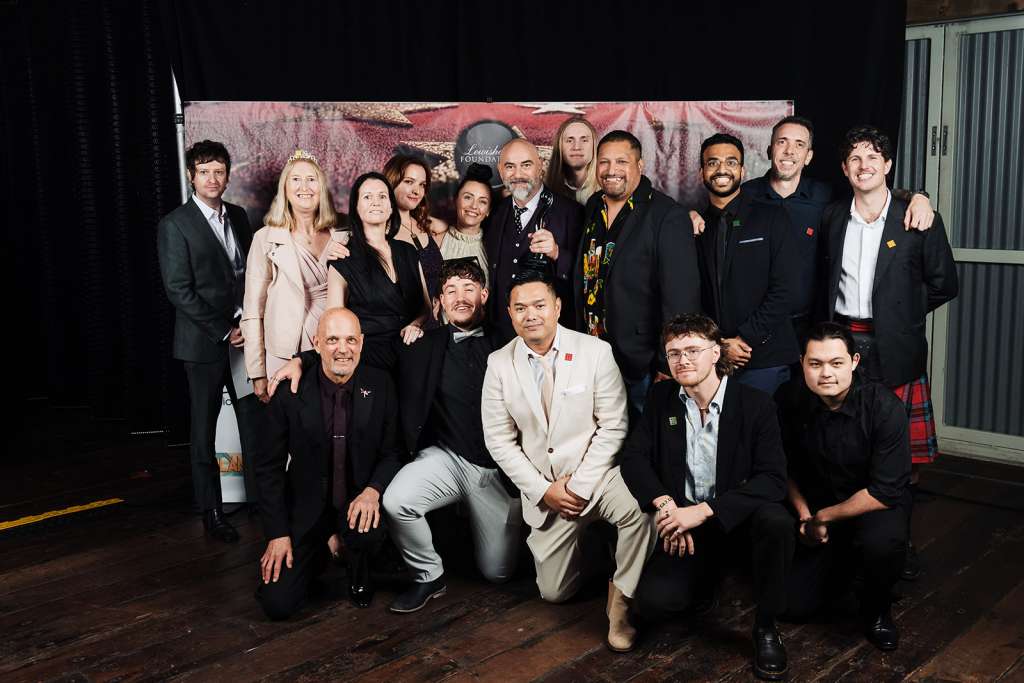
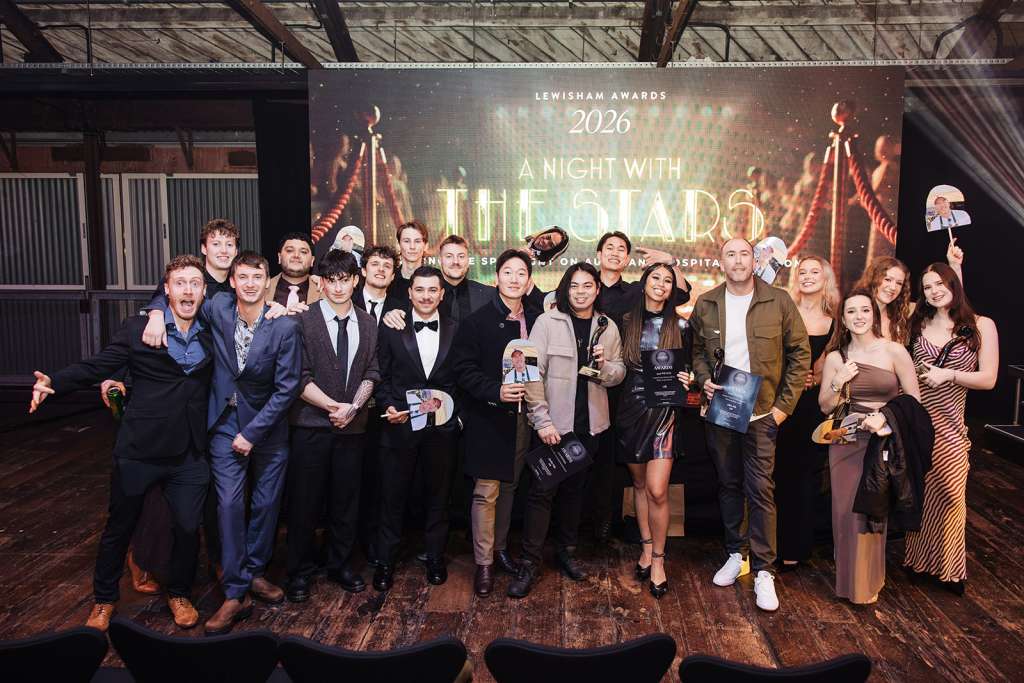
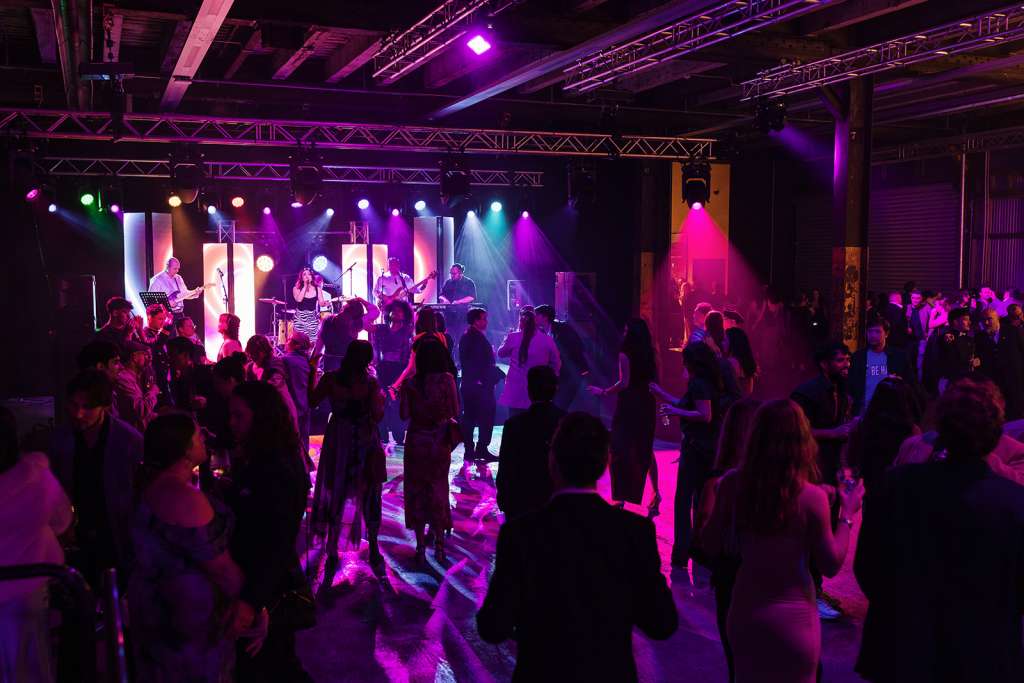
The stars of Auckland hospitality were officially revealed at the 24th annual Lewisham Awards. More than 600 hospitality professionals gathered at Shed 10 to celebrate the industry’s finest and recognise the exceptional chefs, bartenders, venues and producers chosen by their peers as leaders in Auckland’s world-class dining scene.
Voted for by the hospitality industry itself, the prestigious Lewisham Awards recognize excellence across 19 categories. This year’s winners reflect both the resilience of Auckland’s established hospitality leaders and a bold new generation of operators reshaping the city’s dining scene through fresh culinary concepts, immersive cocktail experiences and innovative hospitality.
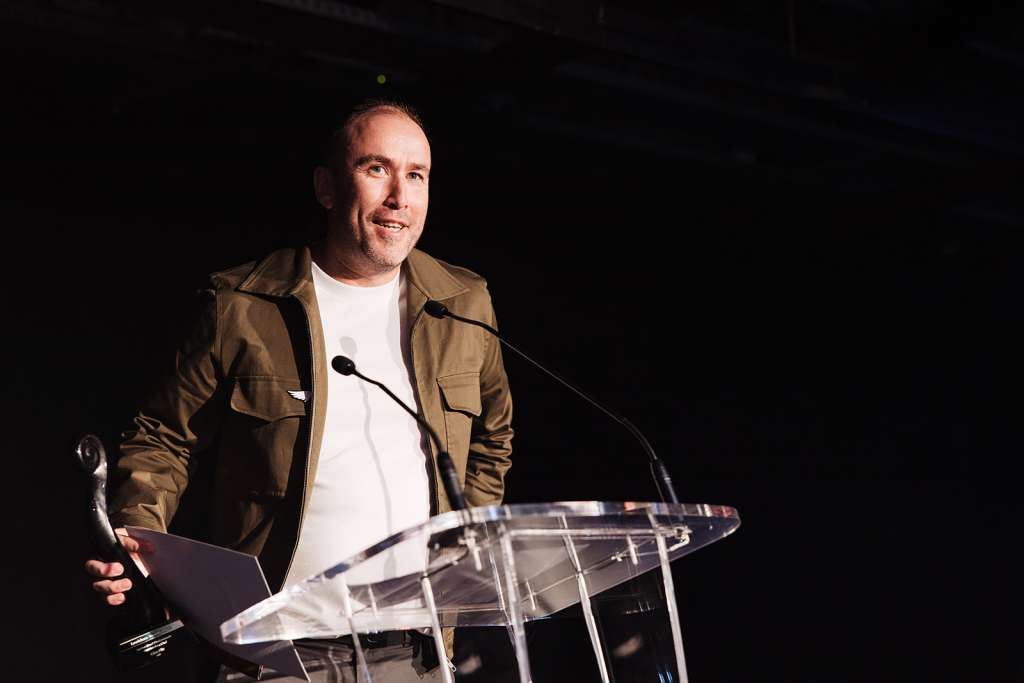
Leading the night was Gilt, which secured three major awards including Outstanding Chef for Glen File, Outstanding Bartender for Justin Ydia and Outstanding Wine Experience. Founded by Josh and Helen Emett in October 2023, Gilt has rapidly become one of Auckland’s hottest dining destinations. Located on the corner of O’Connell Street and Chancery Lane in the CBD, the restaurant is celebrated for its elevated bistro fare, polished hospitality, and exceptional wine and cocktail offering.
Panacea also continued its rise as one of Auckland hospitality’s most influential and distinct cocktail venues, taking out Outstanding Hospitality Hero for Dany Dentith and Outstanding Front of House for Ryan Oliver. These two awards add to the six Lewisham Awards the venue has collected since opening in early 2023. Hidden away on O’Connell Street, the cocktail lounge famously operates without a physical bar counter, instead immersing guests in an interactive “cocktail kitchen” inspired by the intimate and highly personalised hospitality often associated with Michelin-starred venues overseas.
Independent brewery Sawmill Brewery, located just outside Matakana village, secured two awards, with Logan Richmond winning Outstanding Sales Experience and the brewery itself taking home Outstanding Beer Experience. The double win further cements Sawmill’s reputation as one of New Zealand’s leading craft breweries. Featuring more than 14 beers on tap at any time, the brewery has become known for both its core range and innovative specialty brews, including its acclaimed “Bare Beer”, widely regarded as one of the country’s best nonalcoholic pale ales. Sawmill was also recognised as a finalist in the Innovation & Sustainability category for its industry-leading environmental initiatives, including solar energy systems, water reuse technology, and the creation of on-site wetlands designed to naturally recycle wastewater.
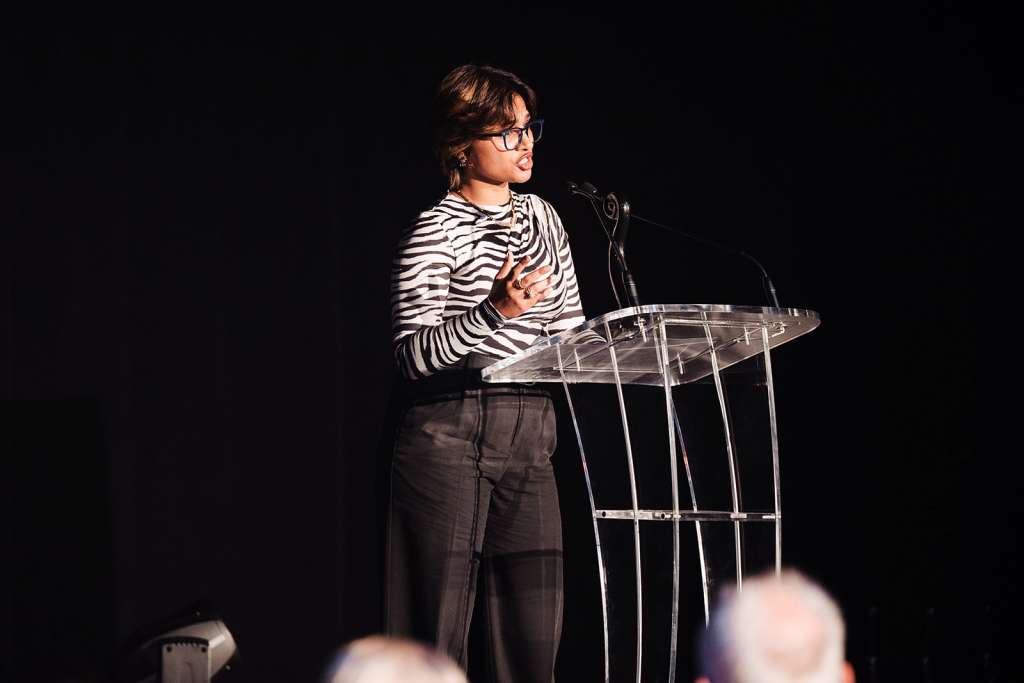
Ellie Sims Hilditch of Amano, named the recipient of the Silver Fern Farms Outstanding Emerging Talent Award at the 2026 Lewisham Awards.
Award Committee Chairperson Dan Sullivan said this year’s winners demonstrated the resilience, creativity and adaptability that continues to drive the hospitality sector forward despite ongoing challenges.
“Hospitality has never been for the faint-hearted,” says Sullivan. “At times it can feel like we’re all trying to navigate a bubbling cauldron of rising costs, changing customer behaviours and economic uncertainty, yet despite all of that, our industry continues to evolve, innovate and create experiences people genuinely connect with.”
“These awards recognise the people who continue to push hospitality forward. They’re the chefs experimenting with new ideas, the bartenders redefining cocktail culture, the producers elevating flavour, and the front-of-house professionals turning customers into lifelong advocates.”
“Much of what hospitality does happens quietly behind the scenes. The Lewisham Awards are our opportunity to stop for a moment and celebrate the people making Auckland one of the most exciting hospitality cities in the country.”
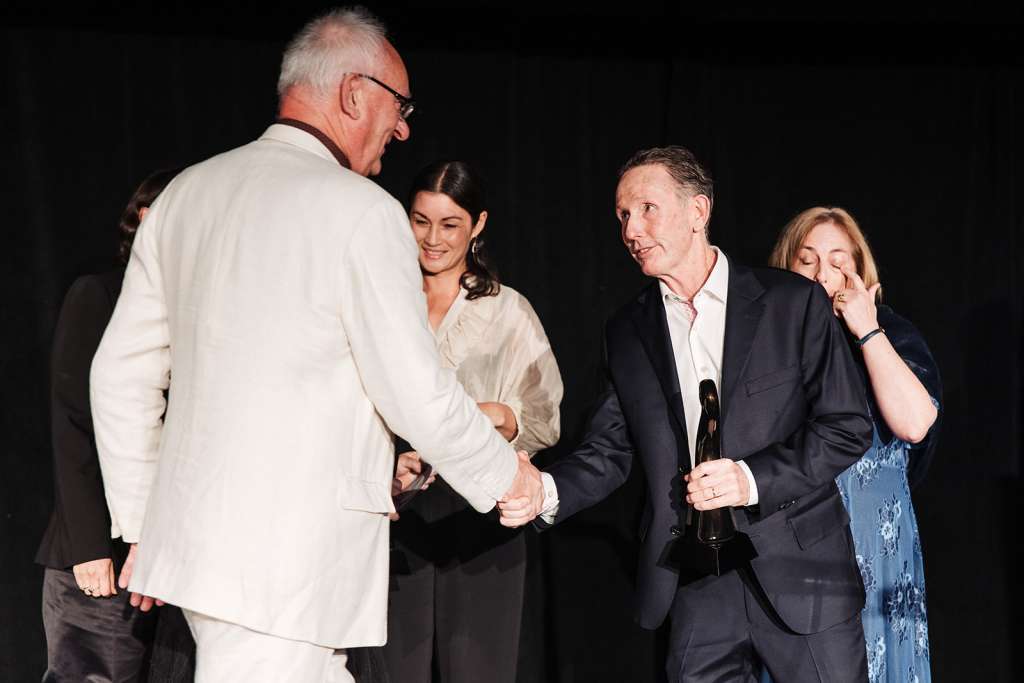
The evening also marked a milestone in Lewisham Awards history, with Connie Clarkson, David Meagher and Chris Upton receiving Lifetime Achievement Awards in recognition of more than two decades of gifted service each to Auckland hospitality and the awards programme. Connie, David and founding committee member Clive Weston have been involved since the awards began in 2002, while Chris joined shortly afterwards. Clarkson served as Chair for nine years, and Upton for six, helping guide the awards through periods of growth and development. Their contribution has been entirely voluntary, motivated by a shared belief in celebrating excellence and supporting the hospitality community.
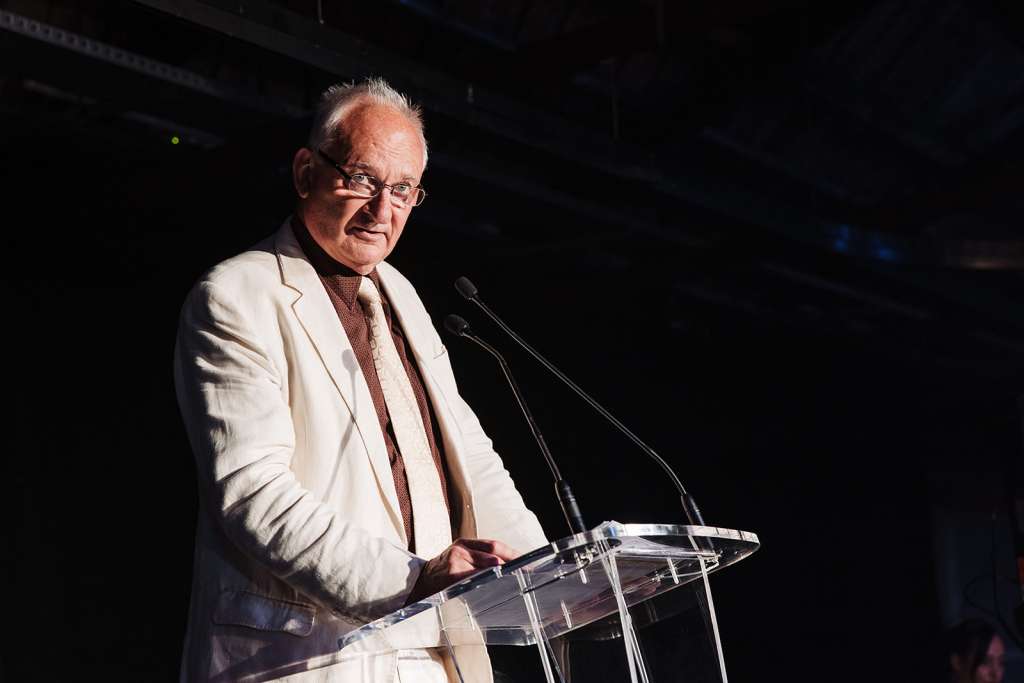
The presentations coincided with Weston announcing he would step aside from the Lewisham Awards Finance & Governance Committee after 24 years. Weston, who first proposed the idea of an Auckland hospitality awards programme in 2001, was acknowledged for his role in helping establish and nurture the awards from the very beginning.
“When we first discussed the idea around a table in 2001, some people said Auckland was too big and diverse for a hospitality awards programme,” said Weston. “What made it work was a group with a shared belief that excellence should be recognised by industry peers. Twenty-four years later, I’m incredibly proud of what the awards have become.”
Accepting the Lifetime Achievement Awards on behalf of the recipients, Clarkson paid tribute to Weston. “Clive has always believed that hospitality people should celebrate hospitality people,” she said. “His commitment to recognising excellence, fostering new talent, and bringing the industry together has helped shape the Lewisham Awards into the institution it is today.”
Pushing the bounds of culinary innovation and experimentation also featured strongly among this year’s winners, particularly in the Outstanding Innovation & Sustainability category won by Project Hydrosol. Working alongside top chefs, mixologists and winemakers, the near zerowaste business has gained attention for blending ancient techniques with cutting-edge extraction science to create stable flavour components and new cocktail applications, reflecting the increasingly technical and innovation-driven future of beverage culture and food technology. Having recently expanded into Australia, the business now has ambitions for Asia, positioning itself at the forefront of a rapidly evolving global cocktail innovation market.
Meanwhile, Truth or Dare continued its rapid rise on Auckland’s nightlife scene, with Theo Tjandra adding another major accolade to the cocktail bar’s rapidly growing trophy cabinet, following his Outstanding Bartender win at the 2025 Lewisham Awards with this year’s Outstanding Cocktail Experience title. In just over 12 months, the experimental cocktail bar on Snickel Lane in the CBD has become one of the city’s fastest-rising destinations, earning a cult following for its boundary-pushing drinks and high-energy atmosphere. The venue’s growing global reputation was further cemented in April when it was named a Regional Top 10 Honouree for Best New International Cocktail Bar (Asia-Pacific) in the prestigious 2026 Spirited Awards.
Neighbourhood hospitality also remained a defining theme of the evening, with much-loved venues from across Auckland recognised for their contribution to local dining culture in awards nominated by the hospitality industry and voted for by the public. Among the winners were Cousin Scott’s (North), The Bramble (South), Man O’ War (Waiheke & East), Bar Martin (West), and longstanding Ponsonby institution Prego, which claimed Outstanding Local Establishment Central.
This year also marks 40 years since Prego first opened on Ponsonby Road in 1986. With its Outstanding Local Establishment Central win, the much-loved restaurant becomes the most awarded venue in Lewisham Awards history, collecting its 18th award across 14 winning years since first being recognised in 2004. Selected by public vote, the 2026 award reflects generations of customer loyalty and enduring community support.
The 2026 Lewisham Awards winners are as follows:
Hancocks – Outstanding Bartender – Justin Ydia – Gilt Long Burroughs – Outstanding Front of House – Ryan Oliver – Panacea Silver Fern Farms – Outstanding Emerging Hospitality Talent – Ellie Sims Hilditch – Amano Hospitality NZ – Outstanding Sales Experience – Logan Richmond – Sawmill Brewery Clyth MacLeod – Outstanding Producer – Urbanaut Brewing Co Bidfood – Outstanding Café – D.O.S.E. Negociants New Zealand – Outstanding Wine Experience – Gilt Skrewball Peanut Butter Whiskey – Outstanding Cocktail Experience – Truth or Dare Lewisham Foundation – Outstanding Beer Experience – Sawmill Brewery Bepoz – Outstanding Innovation & Sustainability – Project Hydrosol Odd Socks – Outstanding Distributor – Blanc Blanc – Outstanding New Establishment – Ground Wine Bar Red Bull – Outstanding Local Establishment – North – Cousin Scott’s Franklin Local Board – Outstanding Local Establishment – South – The Bramble St Germain – Outstanding Local Establishment – Waiheke & East – Man O’ War Eclectic Furniture – Outstanding Local Establishment – West – Bar Martin OneMusic – Outstanding Local Establishment – Central – Prego Anchor Food Professionals – Outstanding Chef – Glen File – Gilt Restaurant Association of New Zealand – Outstanding Hospitality Hero – Dany Dentith – Panacea Lewisham Foundation Lifetime Achievement Awards – Connie Clarkson, David Meagher, Chris Upton
Introducing ResilienceOS: Building stronger hospitality teams from the inside out
posted on
Hospitality is powered by people. But creating workplaces where people can thrive takes more than good intentions – it requires practical leadership, everyday habits and a culture that supports both performance and wellbeing.
The Restaurant Association, in partnership with Hospitality New Zealand and wellbeing specialist Tim Read, has developed ResilienceOS to help members put those foundations in place.
Created specifically for hospitality leaders and their teams, ResilienceOS brings together a series of practical guides covering areas such as Venue, Value and Aspirations, Daily Rhythm Tools (tailored guidance for Restaurants, Café, Accommodation and Bar Leaders), Post Shift Recovery Plan, and Quiet Season Action Plan. Each module provides practical information, prompts and activities that businesses can use to strengthen workplace culture, build capability and support their people.
The resources reflect the realities of hospitality. It recognises the unique pace, pressures and unpredictability of hospitality and provides practical guidance that leaders can realistically incorporate into day-to-day operations. Whether you’re leading a small café or a large accommodation business, the tools are designed to fit around the way hospitality works. They are designed to help leaders take a proactive approach to wellbeing.
ResilienceOS is not a one-size-fits-all programme. Every hospitality business and team is different, so the guides are to be adapted to suit each workplace, operation and team. Members can work through the full series, or begin with the areas most relevant to them.
Together, the Restaurant Association and Hospitality New Zealand have developed ResilienceOS to help hospitality businesses build healthier, more resilient hospitality workplaces. ResilienceOS provides members with practical support to build environments where people feel supported to do their best.
What does Budget 2026 mean for hospitality, tourism, and small business?
posted on
Budget 2026 has been announced and includes a range of investments, savings initiatives and policy changes that may have implications for hospitality, tourism and small businesses over the coming years.
There are no major direct support packages for hospitality in this year’s Budget, however several announcements are still relevant for our sector — particularly around workforce development, consumer confidence, infrastructure and energy transition.
Treasury forecasts released alongside the Budget show the Government’s expectation that economic conditions are to improve gradually through 2026, including lower interest rates flowing more broadly through the economy. Forecasts are never guaranteed outcomes however, but any easing in household financial pressure could support consumer confidence and discretionary spending over time. We are also conscious that global uncertainty — including ongoing geopolitical tensions and fuel market volatility — can continue to affect operating costs and consumer confidence very quickly.
The Restaurant Association’s priorities remain consistent:
Tourism marketing: continuing to invest in promoting New Zealand’s food and beverage story as part of our international tourism offering.
Immigration settings: progressing practical immigration settings that recognise hospitality workforce shortages and provide clearer pathways for workers.
Workforce development: supporting industry-led training and vocational pathways that reflect the operational needs of hospitality businesses.
Reducing complexity: improving regulatory systems and reducing unnecessary compliance pressure for operators already managing tight margins.
In Budget 2026
Industry-led vocational training
The Budget includes funding for the new Industry Skills Boards to develop new industry-led secondary school subjects focused on vocational pathways and workforce readiness. We will stay close to this and our hope would be that this strengthens awareness of hospitality careers earlier, and creates stronger pathways into hospitality, tourism and apprenticeships over time.
Gas Transition Loan Guarantee Scheme
A proposed Gas Transition Loan Guarantee Scheme is intended to support businesses by helping reduce financing barriers for transition investments. While details are still emerging, this could be relevant for hospitality businesses investing in energy upgrades or longer-term transition planning.
Infrastructure and tourism flow-on effects
The Budget also continues investment across infrastructure, tourism facilities and regional upgrades, which can have important long-term flow-on benefits for hospitality businesses, particularly in regional centres.
Hospitality businesses benefit when visitor numbers increase, visitor infrastructure improves, or regional economic activity grows. At the same time, many operators also experience the disruption that can come with infrastructure projects, including reduced foot traffic, access challenges and prolonged construction impacts.
The Restaurant Association will continue working through the detail of Budget 2026 initiatives and advocating for practical settings that support hospitality businesses to invest, employ, train and grow sustainably.
Several significant immigration changes are rolling out across 2026 that will directly impact hospitality employers recruiting and retaining migrant workers in New Zealand. These changes affect Accredited Employer Work Visa (AEWV) applications, occupation classifications, and long-term residence pathways for sponsored workers.
For employers with upcoming recruitment, job checks, renewals, or staff on a pathway to residence, early planning and accurate role classification will be increasingly important.
English Language Requirements Extended to Skill Level 3
Effective 1 June 2026
From 1 June 2026, migrants applying for an AEWV in a Skill Level 3 role must demonstrate English language competency.
For hospitality employers, Skill Level 3 covers a significant range of roles including kitchen and food production staff, food and beverage attendants, and other front and back of house positions.
While transitional arrangements do exist, they are not blanket exemptions. Global Workforce Seasonal Visa and Peak Seasonal Visa holders are not affected, and the requirement does not apply to Job Change applications.
For employers actively recruiting into Skill Level 3 roles or managing upcoming visa renewals, understanding who is and is not covered by the transitional arrangements will be important before the changes take effect.
National Occupation List — hospitality roles recognised
In effect from 9 March 2026
The transition from ANZSCO to the National Occupation List (NOL) is well underway, bringing clearer AEWV pathways for several hospitality roles recently added to the NOL, including:
Head Chef / Executive Chef (Skill Level 1)
Chef de Partie (Skill Level 2)
Sous Chef (Skill Level 2)
Demi Chef de Partie (Skill Level 3)
Other Chef (Skill Level 3)
How roles are classified under the NOL directly affects visa eligibility, skill level assessment, and future residence options for sponsored workers.
Incorrect or outdated classifications can impact the outcome of a job check. Employers with upcoming job checks or renewals should ensure their role classification, job descriptions, duties, and pay rates are all aligned before submitting applications.
Skilled Migrant Category changes
Effective 24 August 2026
The most significant long-term change for hospitality employers supporting staff on a pathway to residence is the restructuring of the Skilled Migrant Category (SMC).
From 24 August 2026, a new red and amber list system will be introduced. Several hospitality occupations have been placed on the amber list, including:
Chef
Baker
Pastrycook
Café and restaurant manager
Accommodation and hospitality manager
Hotel or motel manager
Hotel service manager
Bed and breakfast operator
Caravan park and camping ground manager
Workers in amber list roles remain eligible for residence under the existing SMC pathway. However, for those who do not meet the required thresholds, the new Skilled Work Experience pathway will require:
At least five years of relevant eligible work experience in New Zealand, and
Two years of skilled work experience earning at least 1.2 times the SMC median wage
For employers supporting migrant workers on a long-term pathway to residence, the settings they are working towards are changing. Residence planning takes time, and decisions made now may significantly affect future options for workers and employers alike.
Get additional immigration support from RA partner, 1881 Global – already supporting hospitality employers across New Zealand.
MICHELIN Guide New Zealand: the first selection is revealed on 30 June
posted on
The wait is almost over! The MICHELIN Guide will announce New Zealand’s inaugural selection in Auckland on 30 June.
The MICHELIN Guide has chosen Aotearoa as the first destination in Oceania to feature in the guide. It is also the furthest the Guide has ever travelled from its European origins. That alone says something about how the world is starting to see us. The selection, covering restaurants in Auckland, Wellington, Christchurch and Queenstown, follows nearly a year of inspections across the country.
The ceremony will reveal the full restaurant selection. This includes MICHELIN Stars, Bib Gourmand and Selected distinctions, alongside Special Awards recognising exceptional talent and leadership within our dining scene. Following the announcement, guests will experience an exclusive culinary celebration featuring internationally acclaimed MICHELIN-recognised chefs — including Nobu Lee of NOBUO, the New Zealand-born chef behind one of Taiwan’s most celebrated one-MICHELIN-Star restaurants, and Michael Cimarusti of Providence in Los Angeles, currently holding three MICHELIN Stars.
For our industry, this is the global acknowledgment we deserve — recognition of the quality, creativity and manaakitanga that have always defined dining in this country, and a signal that New Zealand’s food culture has well and truly arrived on the global stage.
Watch the ceremony live on 30 June via the MICHELIN Guide YouTube channel.
Fuel Response Plan update
posted on
As we continue to navigate pressures from the world crisis the Government has released details of changes to their Fuel Response Plan. The outcome reflects our recent submission on the priority levels.
The situation remains stable
According to the Government, a major fuel shortage remains very unlikely. There are no current signals suggesting this will change. If disruption does occur, it is most likely to be short-term and manageable — such as delays in shipments. Supply is being monitored well in advance, with visibility of risks up to around three months ahead.
As at 19 May, New Zealand is in Phase 1 (Watchful), which means the fuel market is operating effectively. Fuel is available nationwide. Any decision to move through response stages is based on overall supply risk — not a single measure such as days of fuel supply.
Why we’ve been engaged on this
Hospitality isn’t a heavy direct user of fuel — but we’re deeply dependent on it indirectly. Every delivery that arrives at your back door, every supplier run, every staff member driving to a shift — all of it relies on fuel moving through the system. As we’ve already started to see, when that’s disrupted, we feel it immediately.
We made a submission to the Government making the case that food supply chains — including the distributors, wholesalers, and specialty suppliers we all rely on — need to be protected within the prioritisation framework. We also raised workforce mobility, particularly in regional areas and across shift-based rosters.
The updated priority plan
The revised framework announced by the Government reflects the position we put forward. Under Phase 4 — which would only be triggered by a severe and prolonged disruption, and which modeled scenarios indicate is highly unlikely — the Government has established a clear priority framework for fuel access.
Food and freight sits in the second priority band, with uncapped access to fuel. This means that in a worst-case scenario, the supply chains that keep our businesses operating are protected. Critical services including emergency and health services and lifeline utilities retain priority uncapped access at all phases.
We’re continuing to monitor the situation and staying engaged with government. We’ll keep you updated as things develop.