Update on RA Mental Health Project

posted on

The Restaurant Association, in partnership with Hospitality NZ have been developing a mental health support platform in collaboration with Helmet, co-founded by MasterChef NZ 2015 winner Tim Read.

Our aim is to develop a tool to empower people to better support others in their lives facing mental health and wellbeing challenges.

Through the development phase Helmet gained valuable insights from talking to members and the wider industry into the specific challenges facing the hospitality sector and how best to support it.

Through this process, Tim and his Helmet co-founder also made the decision to part ways. This has led the Association’s to implement some changes to our joint partnership and continue this vital work with renewed focus. We’re pleased to continue to work with Tim Read on a new initiative: a practical, hospitality-specific mental health toolkit, which we aim to launch next month.

Based on direct feedback from members of both associations, the toolkit will deliver on our shared goal: providing tailored, effective resources that support the mental well-being of our industry. We look forward to bringing you further details in the coming weeks.

Kiwis and Their Doggy Bags: Food Waste in NZ Restaurants

posted on

In a recent interview on Seven Sharp, our CEO Marisa Bidois discussed findings from our latest survey on Kiwis’ attitudes toward taking leftover food home from restaurants.

Our research reveals that more than half of New Zealand restaurants actively offer doggy bags to their customers. The survey found that families and those over 60 are most likely to request takeaway containers for their leftovers, while solo diners and couples are less inclined to do so. Young adults aged 18-30 are the least likely group to take home their uneaten food.

As Marisa explains in the video, this reluctance among younger diners might be due to social stigma, or because they often head out after dinner and don’t want to carry leftovers. Unlike in the United States, where there has been a shift in doggy bag behaviour, our restaurant members report no change in local attitudes.

The interview highlights that older generations may be more conscious about food waste due to the traditional mindset of “cleaning your plate,” while current economic conditions also influence decisions to take leftovers home.

In the Seven Sharp segment, you’ll also hear about our pilot program called Kai Keepers, involving 100 restaurants and cafes, which focuses on reducing food waste through menu design and other tools. We’re excited about the potential to expand this to a nationwide program next year.

Government announces shift to independent work-based learning model for hospitality

posted on

The hospitality industry is welcoming today’s announcement by Vocational Education Minister Penny Simmonds that the Government will implement an independent, industry-led model for work-based learning — a move that aligns with widespread calls from across the business community.

In simple terms, this decision means that industries like hospitality will now have more say in how apprentices and trainees are supported and trained on the job, with less centralised control from institutions like Te Pūkenga. The changes are designed to make vocational training more relevant, more practical, and easier for both learners and employers to engage with.

Under the new system, which takes effect from 1 January 2026, apprentices currently supported by Te Pūkenga will transition to new Industry Skills Boards, which will oversee training standards and support the delivery of high-quality, work-relevant learning. New learners will enrol directly with independent providers, polytechnics, or Wānanga as the system evolves.

The Restaurant Association has been an active voice in this reform process, consistently advocating for a model that reflects the needs of small businesses and enables more straightforward participation in apprenticeship programmes. In our submissions, we highlighted the need to reduce complexity, ensure clear communication, and prioritise employer satisfaction to improve outcomes.

This is the right decision for learners, for businesses, and for the future of vocational education,We’re pleased the Minister has listened to industry feedback and chosen a model that is fit for purpose.”

Marisa Bidois, CEO of the Restaurant Association.

The sector also supports the Government’s reassurance that there will be no disruption for current learners or employers, and that training will remain on track through the transition.

Today’s announcement marks a reset — one that puts learners and industry first. The Restaurant Association looks forward to working closely with the new Industry Skills Boards to help build a more responsive, capable workforce for our sector.

You can read the full release here

Restaurant Association welcomes shift to independent work-based learning model

posted on

The hospitality industry is welcoming today’s announcement by Vocational Education Minister Penny Simmonds that the Government will implement an independent, industry-led model for work-based learning — a move that aligns with widespread calls from across the business community.

In simple terms, this decision means that industries like hospitality will now have more say in how apprentices and trainees are supported and trained on the job, with less centralised control from institutions like Te Pūkenga. The changes are designed to make vocational training more relevant, more practical, and easier for both learners and employers to engage with.

“This is the right decision for learners, for businesses, and for the future of vocational education,” said Marisa Bidois, CEO of the Restaurant Association. “We’re pleased the Minister has listened to industry feedback and chosen a model that is fit for purpose.”

Under the new system, which takes effect from 1 January 2026, apprentices currently supported by Te Pūkenga will transition to new Industry Skills Boards, which will oversee training standards and support the delivery of high-quality, work-relevant learning. New learners will enrol directly with independent providers, polytechnics, or Wānanga as the system evolves.

“The Restaurant Association has been an active voice in this reform process, consistently advocating for a model that reflects the needs of small businesses and enables more straightforward participation in apprenticeship programmes,” said Bidois. “In our submissions, we highlighted the need to reduce complexity, ensure clear communication, and prioritise employer satisfaction to improve outcomes.

“This model makes it easier for small hospitality businesses to engage in training, which ultimately helps us lift skills across the sector. It recognises that real learning happens on the job — and that those of us in the industry are best placed to help shape what that learning looks like.”

The sector also supports the Government’s reassurance that there will be no disruption for current learners or employers, and that training will remain on track through the transition.

“Today’s announcement marks a reset — one that puts learners and industry first. We look forward to working closely with the new Industry Skills Boards to help build a more responsive, capable workforce for our sector.”

Restaurant Association Supports Regional Events Promotion Fund announcement

posted on

The Restaurant Association welcomes today’s announcement of a second round of funding for the Regional Events Promotion Fund. With a year-long outlook and a focus on supporting regional events, this is a positive step towards encouraging domestic tourism and bolstering the hospitality sector across Aotearoa.

“Events play a vital role in attracting people to our regions, filling up our cafés, restaurants, and bars, and bringing life to town centres,” says Restaurant Association CEO Marisa Bidois. “This fund gives regions an opportunity to shine and share their unique stories – and we believe food should be at the heart of that.”

“With so many talented chefs, producers, and hospitality professionals around the motu, there is a real opportunity to promote our local food culture as a key part of our tourism offering,” Bidois continues. “We’d love to see regions invest in food events that celebrate local produce, traditions and culture.”

“We look forward to working with regional tourism organisations to champion hospitality as a core part of the event landscape, ensuring the sector is supported and promoted through tourism initiatives.

“Hospitality businesses are integral to the success of any event, and collaboration with our industry will ensure that these initiatives not only bring people in, but also leave them with a great taste of what our regions have to offer,” concludes Bidois.

Restaurant Association welcomes health and safety law reforms for low-risk businesses

posted on

Restaurant Association welcomes health and safety law reforms for low-risk businesses

The Restaurant Association of New Zealand welcomes the Government’s announcement to reform health and safety laws, easing the burden of compliance for small, low-risk businesses.

“Hospitality businesses are some of the most fast-paced, dynamic working environments in the country,” says Restaurant Association CEO Marisa Bidois.  “Our members take the health and safety of their teams and customers seriously, with strong practices in place across training, equipment maintenance, hazard identification, and regular staff discussions.

“However, our members consistently report that some current compliance requirements—particularly for owner-operators—are too complex, time-consuming, and not always proportionate to the level of risk involved. For many, the cost of consultants, excessive paperwork, and ambiguity in the law make it difficult to know what is truly necessary versus what is simply bureaucratic.

“We support the Government’s move to sharpen the focus of the Health and Safety at Work Act and reduce tick-box activities that do little to prevent harm. Ensuring the system targets critical risks, rather than requiring businesses to jump through hoops for every possible hazard, will free up valuable time and resources.

“Our recent member feedback highlights that while health and safety is a key priority, a one-size-fits-all approach doesn’t work. Simplifying expectations and enabling business owners to tailor their approach to the unique risks of their workplace is a step in the right direction.

“We look forward to continuing to engage with the Minister and officials on the next stages of reform to ensure the health and safety system is fit for purpose—protecting workers while allowing small businesses to thrive.”

The Restaurant Association also offers a comprehensive Health and Safety Programme to support hospitality businesses in meeting their obligations under the Health and Safety at Work Act 2015 and recent amendments. Developed with industry-specific guidance, the programme includes practical tools, templates, and policies to help businesses navigate compliance more easily. It’s a valuable resource for members looking to strengthen their health and safety practices without the overwhelm. For more information, visit restaurantnz.co.nz/training-hub.

Restaurant Association launches new Customer Rating System

posted on

Turning the tables – literally – on difficult diners

In a bold move to balance the scales in the hospitality industry, the Restaurant Association of New Zealand has today announced the launch of a revolutionary new Customer Rating System – giving hospitality venues the ability to score their customers for a change.

Dubbed “Rate My Regular”, the new tool allows restaurants, cafés, and bars to give feedback on their diners across a range of criteria. These include everything from table manners and punctuality, to tipping habits and booking etiquette—especially when it comes to no-shows.

Venues can also rate a customer’s ability to stack their plates (a fan favourite among hospitality workers), as well as their overall vibe, presence, energy, and general approach to life.

Exclusively available to Restaurant Association members, the system is designed to help businesses reward their most loyal, respectful patrons—while also giving repeat offenders a gentle nudge to lift their game (or start ordering takeaway instead).

“We’ve spent years hearing about diners reviewing restaurants,” says Marisa Bidois, CEO of the Restaurant Association. “We think it’s about time it went both ways. This tool lets our members bring a little accountability to the table—along with the food.”

According to the Association, top-rated customers will be eligible for secret perks such as off-menu items, chef shout-outs, priority seating, and first dibs on hard-to-book tables.

Low scorers? “Let’s just say they might find themselves being seated very close to the toilet,” Bidois adds.

To comply with privacy standards, the system includes a diner opt-in feature allowing customers to view their own ratings and unlock exclusive rewards. In return, their anonymised feedback becomes visible to other participating Restaurant Association venues.

“It’s a win-win,” adds Bidois. “Top diners get recognised wherever they go, and restaurants get a heads-up on who’s walking through the door—before they ask to split the bill eight ways with Apple Pay and a crumpled ten-dollar note.”

The Association is also exploring the development of a “Diner Gold Card”, automatically triggered when a customer’s rating reaches elite status. Gold Card holders may receive surprise upgrades, exclusive invites, or even a complimentary round of drinks—depending on the venue and their vibe score.

Feedback from the industry has been… enthusiastic:

“We’ve had a spreadsheet going for years,” admits one Auckland restaurant owner. “Finally, we can make it official—and maybe even award ‘Most Improved Diner’ each quarter.”

“We all have those regulars who are legends— polite, punctual, always say thanks,” says a Napier restaurant owner. “This gives us a way to show our appreciation.”

“Some diners truly make your night easier — they order fast, stack their plates, and even come and help with the washing up. We’d love to start giving them priority treatment,” says a Tauranga café manager.

“Honestly, we’d love to downvote the guy who keeps asking if we do Butter Chicken,” said a Christchurch chef. “We’re a French bistro, mate.”

“Can we add a category for ‘loudly FaceTiming at brunch’?” asked one desperate front-of-house staffer. “Because I’ve got receipts.”

“Honestly, we just want to know who’s been moving the salt and pepper shakers to other tables,” said a Christchurch chef. “We’re onto you!”

“We’ve got one customer who brings us dinner when they come in. I mean what a legend! We’d love to give customers like her a little VIP moment — this tool makes it easy to spot the real MVPs,” says a Rotorua bistro owner.

The Association is also exploring the development of a “Diner Gold Card”, automatically triggered when a customer’s rating reaches elite status. Gold Card holders may receive surprise upgrades, exclusive invites, or even a complimentary round of drinks—depending on the venue.

The beta version of the Customer Rating System launches today, April 1st, with a nationwide rollout planned in the coming weeks.

Only Restaurant Association members can access the tool—so if you’re a venue tired of no-shows, awkward birthday split bills, and people who think aioli is vegan mayonnaise, it’s time to join.

Restaurant Association Evolves Hospitality Awards Model to Strengthen Local Industry Leadership

posted on

The Restaurant Association is evolving the way regional hospitality awards are organised, introducing a new model that empowers local hospitality leaders to take ownership of their region’s awards. Moving forward, hospitality professionals in each area will take the lead in organising and managing their own awards, while the Restaurant Association continues as a lead sponsor and supporter.

For years, the Restaurant Association has successfully led and hosted regional hospitality awards, celebrating excellence and recognising the outstanding contributions of those in the industry. Now, to further enhance local engagement and industry leadership, the Association is transitioning to a model where awards will be led by groups of local hospitality operators, ensuring they reflect the unique identity, challenges, and successes of each region.

“This evolution is about strengthening the connection between hospitality awards and the communities they celebrate,” says Marisa Bidois, CEO of the Restaurant Association. “By shifting to a locally owned and operated model, we’re ensuring these awards continue to grow, thrive, and remain deeply relevant to the industry in each region, while we provide support and guidance.”

Under this new model, local industry-led groups will take responsibility for securing sponsors, managing nominations, and organising the awards events, while the Restaurant Association remains a key sponsor and promotional partner. This shift allows for more tailored and locally relevant events while ensuring the prestige and credibility of the awards continue.

Both the Restaurant Association and the local awards teams share a commitment to uplifting and celebrating the hospitality industry. This transition ensures that future awards across the country will continue to highlight the outstanding talent, hard work, and innovation within New Zealand’s vibrant hospitality sector.

Evolving Hospitality Awards to Strengthen Local Industry Leadership

posted on

For years, the Restaurant Association of New Zealand has organised and hosted regional hospitality awards, celebrating the incredible talent and dedication within our industry. These events have played a crucial role in recognising excellence, fostering connections, and bringing the hospitality community together.

Now, as the industry continues to evolve, we see an opportunity to shift to a locally led model that puts ownership of these awards into the hands of the hospitality professionals they celebrate. Instead of the Restaurant Association managing every aspect of the awards, we are empowering local operators to take the lead, securing sponsors, driving nominations, and shaping the event to best reflect their region’s hospitality scene.

Why are we making this change? Because the hospitality industry is built on community—and when those closest to the industry take the reins, the awards can become even more meaningful. This approach strengthens local engagement, ensures the awards remain relevant to each region, and provides operators with the opportunity to take ownership of an event that highlights their own successes.

The Restaurant Association remains a key supporter and lead sponsor, ensuring continuity, credibility, and promotional support. Our role will focus on championing these awards at a national level, providing guidance, marketing assistance, and facilitating connections with past and potential sponsors.

We are excited to work alongside industry leaders to ensure the future of New Zealand’s hospitality awards remains strong—by the industry, for the industry.

Warm Kiwi hospitality on show thanks to regional tourism boost

posted on

We’re really pleased to see the Government’s latest investment in boosting regional tourism over the coming months.

This is typically a quieter season for our sector, so it’s encouraging to see support directed toward increasing visitation across the country.

The past summer brought a much-needed lift for our industry. After several years of subdued trading following the COVID-19 pandemic, it’s been heartening to see signs of recovery. But to build a truly resilient hospitality sector, we need to focus on year-round growth—and investing in autumn and winter tourism is a big step in the right direction.

At the Restaurant Association, we’ve been working closely with Regional Tourism Organisations around the country to champion the role of food in the tourism experience. While our stunning landscapes remain a key drawcard, we’re seeing more and more evidence that food is a major motivator for travel. Visitors are increasingly choosing their destinations based not just on what they can see and do, but on what they can eat and experience.

Our culinary scene is a vital part of what makes Aotearoa unique. Whether it’s local seafood on the coast, Māori cuisine in cultural hubs, or innovative dishes in our urban centres, food is one of the best ways we can share our story with the world.

We look forward to welcoming visitors from around the globe to experience the warm hospitality that defines our industry—and to share in the vibrant, diverse food culture that we’re so proud of.

Read more here https://www.beehive.govt.nz/release/regional-tourism-boosts-drive-international-growth

Warm Kiwi hospitality on show thanks to regional tourism boost

posted on

Thursday 27 March 2025

The Restaurant Association has welcomed today’s announcement of investment in boosting regional tourism over the coming months.

“We’re delighted to see that this investment will support initiatives to increase visitation numbers across the country in the coming months, during what are traditionally quiet seasons for the hospitality sector” says Marisa Bidois, CEO of the Restaurant Association of New Zealand.

“This past summer has seen a welcome boost to the hospitality industry’s recovery from years of subdued trading following the COVID-19 pandemic, and investing in growing tourism in the autumn and winter months is a significant step towards growing the year-round value of the hospitality sector.”

The Restaurant Association has been working closely with Regional Tourism Organisation’s across the country in recent years, to ensure that food tourism is highlighted in our offering as an international destination of choice for tourists.

“We know that our landscapes and scenery are often what attracts international visitors to New Zealand, but we’re also regularly seeing that our culinary offering as a country is being considered as equally important when tourists decide where to visit” says Marisa.

“We look forward to welcoming tourists from around the world to New Zealand to experience our warm Kiwi hospitality.”

Easter Sunday Trading Rules Approved for Queenstown Lakes District

posted on

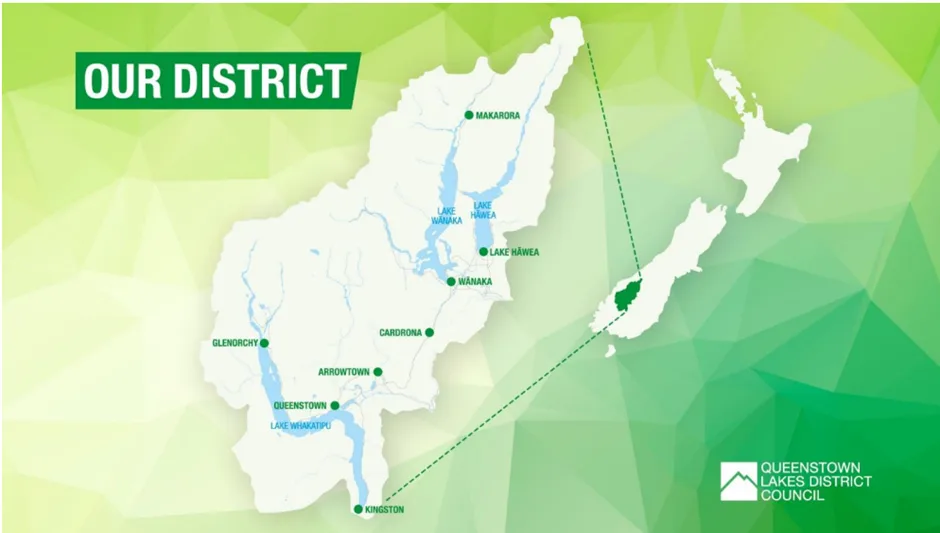
The Queenstown Lakes District Council has adopted a new policy allowing all shops in the district to open on Easter Sunday, continuing the approach established under the previous 2017 policy which has now expired.

The Easter Sunday Shop Trading Policy 2025, approved at a Council meeting on March 20, takes effect immediately and provides businesses throughout the district with the option to open on Easter Sunday if they choose to do so.

This policy aims to:

  • Support ease of business operations
  • Recognize the specific needs of the retail and tourism sectors
  • Provide a consistent and simple approach to Easter Sunday trading

Under the Shop Trading Hours Act 1990, Easter Sunday is normally a restricted trading day requiring most shops to remain closed, with exceptions for certain businesses such as dairies, cafes, service stations, garden centers, pharmacies, and souvenir shops.

The Queenstown Lakes Region

The 2016 amendments to this Act gave councils the authority to adopt policies permitting shops to open on Easter Sunday within their districts. It’s important to note that this provision applies only to Easter Sunday and does not extend to Good Friday or Easter Monday.

Additionally, the policy does not affect alcohol sales, which remain regulated under the Sale and Supply of Alcohol Act 2012.

The policy does not affect employee rights, workers continue to have the legal right to refuse to work on Easter Sunday. Both employers and employees have specific responsibilities under the Shop Trading Hours Act 1990 regarding Easter Sunday work arrangements and can be found in the RA Easter Trading guide in our member resources section or by calling the Helpline team for more details.