
2025 Hospitality Industry Remuneration Survey
$150.00 inc gst

posted on
This regulatory change addresses a long-standing concern for our industry, which has endured some of the highest payment processing fees among OECD countries.
This decision will reduce payment processing costs by an estimated $90 million annually, providing substantial relief to restaurants, cafes, and other hospitality businesses that operate on traditionally tight margins. For the average small business in our sector, this translates to savings of approximately $500 per year, though actual benefits will vary depending on each business’s transaction mix.
The regulation specifically targets credit card and foreign-issued card payments, which have been the most expensive transactions for our members to process. This is particularly important for hospitality businesses that regularly handle tourist payments and premium card transactions, where these fees have created an unfair burden.
The Restaurant Association actively championed these regulatory changes throughout the consultation process, recognising the urgent need for reform in New Zealand’s payment processing landscape. Our CEO, Marisa Bidois, has consistently highlighted how hospitality businesses have been disproportionately affected by fees that are among the highest in the OECD.
Throughout our advocacy, we recommended a measured implementation approach, allowing time for businesses to adjust to the new regime before any further regulatory measures are considered. We’re pleased that the Commerce Commission has acknowledged this balanced approach.
“We know there are concerns around excessive surcharging, and we agree this should be kept under review. But our recommendation was to allow the new fee structure to bed in before taking further steps.”
Marisa Bidois, RA CEO
While we celebrate this victory, the Restaurant Association remains vigilant about ensuring payment providers act responsibly under the new regulations. We are calling for complete transparency from payment companies regarding their fee structures and will be closely monitoring any attempts to shift costs to other areas.
The Restaurant Association will be watching closely to ensure payment providers don’t undermine this win for businesses by increasing fees in other areas. This ongoing oversight reflects our commitment to protecting our members’ interests beyond this initial regulatory success.
The timing of these cost reductions couldn’t be better for hospitality operators who continue to face challenging economic conditions. For our members working within tight margins, every dollar saved can be reinvested into improving customer experiences, supporting staff, or maintaining competitive pricing.
This Commerce Commission decision validates our long-standing advocacy efforts and demonstrates the power of collective industry action in addressing systemic market imbalances. The Restaurant Association will continue to champion policies that support the growth and sustainability of New Zealand’s vibrant hospitality sector.
posted on
The Restaurant Association is welcoming the Commerce Commission’s final decision to regulate interchange fees, delivering much-needed cost relief for hospitality businesses.
The decision will reduce the cost of accepting Visa and Mastercard payments by an estimated $90 million a year — a significant win for small businesses, many of whom operate on tight margins.
“This is a very welcome move for our industry,” said Marisa Bidois, CEO of the Restaurant Association. “Hospitality businesses have long been burdened by some of the highest card payment fees in the OECD. This decision puts money back into the hands of operators at a time when every dollar counts.”
The regulation applies to credit card and foreign-issued card payments — often the most expensive for businesses to process. ComCom estimates the average small business will save around $500 annually, though actual savings will vary depending on the mix of transactions.
The Restaurant Association supported the Commission’s move throughout consultation, while also recommending that businesses be given time to adjust to the new regime before further regulation is considered.
“We know there are concerns around excessive surcharging, and we agree this should be kept under review,” said Bidois. “But our recommendation was to allow the new fee structure to bed in before taking further steps. We’re pleased to see ComCom acknowledge this.”
The Association is also urging payment providers to be transparent about their fees and not shift the cost burden elsewhere. “We’ll be watching closely to ensure payment providers don’t undermine this win for businesses by increasing fees in other areas,” Bidois said.
posted on
At the same time, the data shows that rising wage levels are contributing to increasing cost pressures for employers. Wage costs now average 40 per cent of total revenue — a figure that demonstrates the financial challenge of maintaining fair pay while operating in a high-cost, low-margin environment.
“Our latest remuneration survey reflects a sector that is steadily moving forward,” said Marisa Bidois, CEO of the Restaurant Association. “Despite continued cost pressures and tight operating margins, hospitality businesses are prioritising wage growth and creating structured pathways for career progression.”
The average hourly wage across the industry now sits at $27.84 — up 2.54 per cent from the previous year. Salaried roles have also edged up to an average of $83,415.
The report shows clear wage progression in both kitchen and front-of-house roles. Entry-level positions start close to the minimum wage, but move upward through well-established role tiers — with Head Chefs earning up to $46.62/hour and General Managers averaging $133,208 annually. Front-of-house roles follow a similar path, with senior management roles reaching $45/hour or more.
“These figures show that hospitality is not just a job — it’s a sector where you can build a rewarding career,” continued Bidois. “Whether you’re starting out or already in leadership, there are opportunities to grow and earn more.”
The 2025 report also identifies regional and business-type differences:
Tipping also continues to supplement income for some roles, with restaurant managers earning an average of $103.94 in weekly tips and wait staff averaging $118.
While the continued wage growth is a positive trend, Bidois says it must be viewed in the wider context of rising operating costs. “When wage costs reach 40 per cent of revenue — before factoring in rent, food, utilities, and other overheads — it leaves very little margin for error. Businesses are doing everything they can to stay competitive while looking after their people.”
The full 2025 Remuneration Report includes detailed insights by role, region, and business type, and is designed to support operators with benchmarking, planning, and staffing decisions.
A copy of the full report is available via the Restaurant Association’s website: www.restaurantnz.co.nz.
*This year’s survey was conducted in partnership with Hospitality New Zealand and the Hotel Council Aotearoa.

posted on
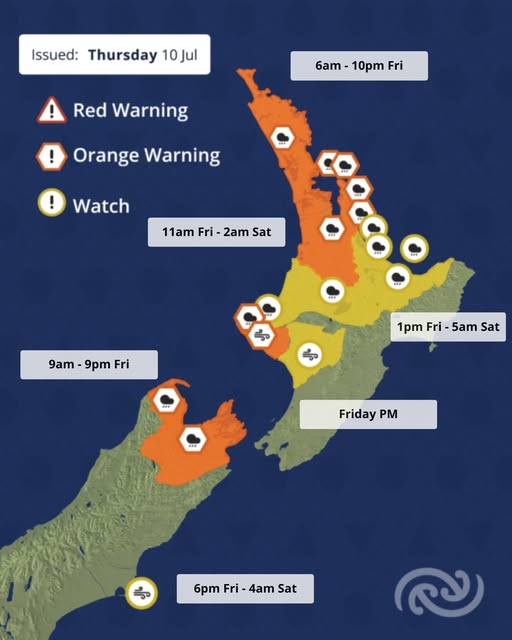
At 4:47 pm on Thursday 10 July 2025, Tasman District Council – Te Kaunihera o te tai o Aorere Mayor Tim King declared a State of Emergency for the Nelson Tasman region. This is a pre-emptive step, due to the existing conditions in the region, following the recent severe weather.
There are also several orange warnings in place around the North Island.
If you, your business, or your staff are affected by the current situation, it is important to act swiftly. You can find some information about general employment law obligations and best practice in a weather event at the RA Weather and Emergency Event Hub here

posted on
The Restaurant Association has welcomed the Government’s announcement today of a comprehensive, structured approach to tourism development that includes confirmed ongoing investment through the International Visitor Levy (IVL).
This long-term strategic framework represents exactly the kind of forward-thinking planning our hospitality sector needs. The tourism industry is fundamental to our members’ success, and having certainty around sustained investment through the IVL gives restaurants and hospitality businesses the confidence to plan and invest for the future.
The structured approach to tourism development is expected to deliver more consistent visitor flows and enhanced infrastructure that will directly benefit restaurants across New Zealand. The continued IVL investment ensures that tourism growth can be managed sustainably while supporting the hospitality businesses that serve millions of visitors annually.
“Our industry thrives when tourism policy is predictable and well-resourced. Today’s announcement demonstrates the Government recognises the vital connection between tourism development and a strong hospitality sector.” – Marisa Bidois Restaurant Association of NZ CEO
The Restaurant Association looks forward to working closely with government agencies as this long-term tourism strategy is implemented, ensuring restaurant and hospitality businesses can maximise the opportunities it creates.
posted on
The Restaurant Association welcomes today’s announcement from the Government outlining a more structured, long-term plan for tourism development, including confirmation of ongoing investment through the International Visitor Levy (IVL).
“While recent investments in regional tourism and business events have provided a much-needed boost, it’s encouraging to see a long-term strategic roadmap that both government and industry can work together to deliver,” said Marisa Bidois, CEO of the Restaurant Association.
“We’ve consistently advocated for a more coordinated approach since the IVL review over a year ago, so today’s announcement represents an important step forward.”
“We look forward to working with Tourism New Zealand to ensure our world-class food and beverage offering is a central part of the story we tell to the world,” Bidois said.
The Association also welcomed the Government’s recognition that sustainable tourism growth requires investment beyond infrastructure alone.
“A focus on demand generation is critical, but we’re equally pleased to see support for addressing supply-side challenges. Our people are the cornerstone of the visitor experience, so we’re encouraged to see workforce development included in the roadmap,” Bidois continued.
The Association will continue to advocate for transparency around decision making on investments made through the IVL, including ways in which the fund could be used to support business.
“The real impact on our industry will come from the detailed investment decisions made by government – we’re keen to see that work progress against the overarching Tourism Growth Roadmap and look forward to further engagement with the government on this.”
The Restaurant Association stands ready to work alongside government agencies and the broader tourism sector to ensure the plan is implemented in a way that delivers real benefits to both visitors and the local hospitality industry.
posted on
31 August – 6 September | International Dumpling Day: 26 September

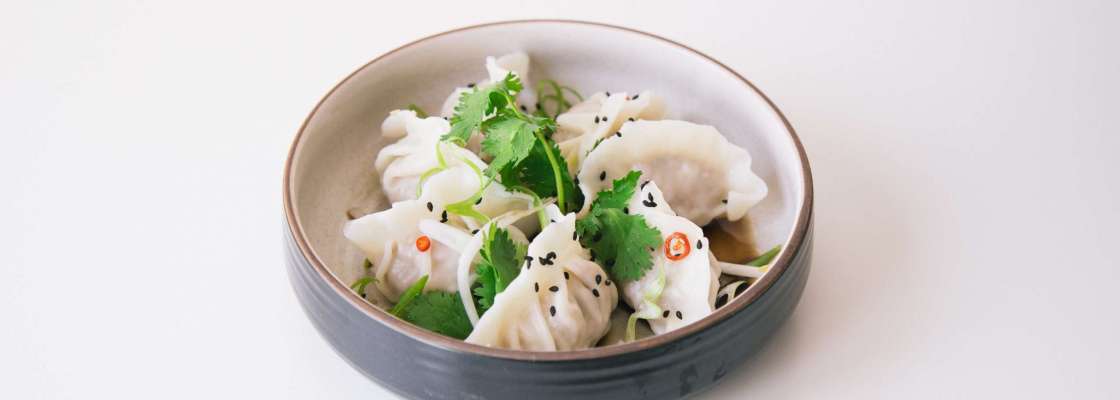
Restaurants across Aotearoa are invited to join the Design-a-Dumpling competition as part of NZCLW (31 August – 6 September), and in celebration of International Dumpling Day (Friday 26 September).
Simply create a one-off dumpling special — the more creative, the better! Dumpling lovers will visit participating restaurants, vote for their favourites, and go in the draw to win prizes. The winning restaurant will also receive a prize and media opportunities.
Visibility
Community Support
Show your support for NZ Chinese Language Week and celebrate the richness of Chinese language, culture, and cuisine in Aotearoa.
NZCLW will provide custom promotional posters (including your logo, QR code, and a photo of your dumpling), making it simple to participate while you focus on doing what you do best — crafting delicious dumplings.
Find more information and register your interest here. Alternatively, feel free to reach out to the NZCLW team at [email protected] with any questions.
Let’s celebrate food, language, and community together — one delicious dumpling at a time!

posted on
Newly released data from the Restaurant Association shows a mixed start to the year for the hospitality sector, with flat national sales growth and mounting pressure from operating costs and workforce shortages.
Total industry sales for the first quarter of 2025 reached $4.00 billion — a modest 1.0 per cent increase compared to the same period last year. While this figure represents a 5.9 per cent drop on the previous quarter, this is not unexpected given Q4 typically includes the busy festive and function season. For other parts of the country — particularly holiday destinations — Q1 remains their peak trading period, contributing to some of the regional variation seen in the results.
“The summer trading period was softer than expected for many operators, and long-standing challenges like high fixed costs, wage pressure, and staff shortages continue to weigh heavily,” said Restaurant Association CEO
Marisa Bidois. “While inflation may be easing on paper, our members are still feeling significant cost strain on the ground.”
Despite the subdued national picture, several regions posted standout results. Nelson led with a 16.5 per cent year-on-year increase in revenue, followed by Queenstown-Lakes at 13.4 per cent — both buoyed by domestic tourism and destination appeal. In contrast, Auckland saw marginal growth of just 0.4 per cent and other regions such as Marlborough and Hawke’s Bay reported declines.
“This data reinforces the fact that a one-size-fits-all recovery approach won’t work. Tailored, regionally responsive strategies are vital,” said Bidois.
The Restaurant Association’s quarterly survey also shows that staffing remains a challenge, particularly for senior roles, with 72 per cent of businesses reporting difficulty in filling these positions. However, this is a slight improvement on previous quarters, suggesting some easing of the extreme pressures seen in recent years. Employers also note that entry-level roles are becoming easier to fill, though workforce shortages and visa processing delays continue to constrain growth for many.
In response to the ongoing challenges, The Restaurant Association is progressing at pace with the 65-point sector action plan developed at the industry’s Hospitality Summit, with a particular focus on workforce development, business sustainability, and long-term competitiveness. Engagement with government is ongoing, including discussions on improving immigration settings and food safety systems, and ensuring that international tourism funding supports the promotion of New Zealand’s food and beverage experiences”
“Hospitality businesses aren’t standing still — they’re adapting, innovating, and working hard to stay viable,” said Bidois. “To unlock the next phase of growth, we’ll continue working with government and our partners to progress our action plan and ensure the value our sector brings — culturally, socially, and economically — is fully recognised.”
posted on
We are pleased with the announcement as we believe regional food and beverage experiences are crucial to New Zealand’s international tourism appeal.
“Each of our regions have a unique food and beverage story that is vital to New Zealand’s overall appeal as an international destination of choice,” said Marisa Bidois, Chief Executive of the Restaurant Association.
The timing of this investment comes as New Zealand regions gain international recognition for their culinary offerings. Northland recently received recognition in National Geographic’s Best of the World 2025, while Hastings has been nominated as a UNESCO city of gastronomy.
It is clear that our regions being strong and resilient is a key part of maintaining our tourism brand on the global stage.
The Regional Events Promotion Fund takes a year-long approach to supporting regional events, with a focus on encouraging domestic tourism and strengthening communities across Aotearoa. The fund specifically includes investments in food and beverage events throughout the country.
All events play a critical role in attracting visitors to our regions and bringing our town centres to life. However there are a number of investments supporting food and beverage specific events across the country over the coming year, which we are particularly proud to see.
The funding works alongside the Government’s broader regional tourism initiatives, giving regions opportunities to showcase their distinctive characteristics and stories to visitors. It’s now up to the hospitality industry to maximise the impact of these events over the coming year, with support of the government in positioning regional food and beverage experiences as central to New Zealand’s tourism offering.

posted on
The Restaurant Association has welcomed the Government’s investment of $2.6 million in 152 events through the second round of funding from the Regional Events Promotion Fund.
“Each of our regions have a unique food and beverage story that is vital to New Zealand’s overall appeal as an international destination of choice.” says Marisa Bidois, Chief Executive of the Restaurant Association.
“From Northland’s recognition in National Geographic’s Best of the World 2025, to Hastings’ nomination as a UNESCO city of gastronomy, it is clear that our regions being strong and resilient is a key part of maintaining our tourism brand on the global stage,” says Marisa.
With a year-long outlook and a focus on supporting regional events, the Regional Events Promotion Fund is a positive step towards encouraging domestic tourism and bolstering regions and industry across Aotearoa.
“All events play a critical role in attracting visitors to our regions and bringing our town centres to life, however there are a number of investments supporting food and beverage specific events across the country over the coming year, which we are particularly proud to see.”
Coupled with the Government’s regional tourism boost, the Regional Events Promotion Fund gives regions an opportunity to shine and share their unique stories.
“We look forward to supporting our industry to make the most of these events over the coming year, and to put our regional food and beverage stories front and centre of our tourism offering as a country.”
Ends
Media contact
Jesse Thompson
021 414 201

posted on
The Restaurant Association is welcoming the Government’s Investment Boost tax incentive, announced as part of Budget 2025.
“We have been pushing for changes around tax deductibility for investment in assets — particularly for small businesses — so today’s announcement is a positive step,” says Marisa Bidois, CEO of the Restaurant Association.
“So many of our businesses in the hospitality industry are small and micro enterprises, many of whom just need a bit of support to enable them to invest in and grow their business.”
“Investing in something as simple as a new oven, or technology to automate your systems and increase productivity is a game changer for a small business.”
“Being able to write off 20% of the cost of such an asset — on top of normal depreciation — is an excellent step toward supporting our businesses to grow, however the challenge that remains for many in our industry is securing the cash required to make these investments.”
The Restaurant Association is also pleased to see that the Minister for Tourism and Hospitality will be responsible for $190 million of revenue from the International Visitor Conservation and Tourism Levy in the 2025/26 financial year.
“We supported an increase to the levy, knowing that increased levy revenue would increase the amount that could be invested in growing tourism – which is crucial to supporting our industry” says Marisa.
“With just over $130 million allocated for the promotion of New Zealand to key markets as a visitor and business destination in the coming year, we’re keen to ensure that a portion of this is allocated to promoting our national and regional food stories.”
“We know that food and beverage tourism is becoming increasingly popular, and we want to ensure New Zealand makes the most of this opportunity.”
The Restaurant Association says members have raised questions about the Government’s changes to Kiwisaver.
“So many young people enter the hospitality industry as their first job, we have no doubt that the majority of 16 and 17 year olds who are in work are employed in service industries like ours.” says Marisa.
“While the Government cuts how much it contributes to Kiwisaver, our businesses will be filling that gap by paying a larger contribution — and to more people.”
The Restaurant Association will be working through the details of these changes, and other initiatives announced in the Budget, to ensure the hospitality industry is able to continue on a path to recovery.
Ends
Media contact
Jesse Thompson
021 414 201
Note for editors
posted on
“Aotearoa has earned a reputation on the international stage for its culinary excellence and diversity,” says Marisa Bidois, CEO of the Restaurant Association.
“Our food and beverage story is a crucial part of New Zealand’s tourism offering – but our businesses need targeted action that allows them to focus on providing the hospitality for which they are globally renowned.”
The Restaurant Association’s budget priorities for 2025 focus on three key areas:
“The ever-changing regulatory environment has added to the pressure our industry has faced in recent years, and we’ve appreciated working closely with Ministers to identify how our regulatory environment can be simplified – without sacrificing quality or safety.” Marisa adds.
“Anything the Government can do to make doing business easier will be a win. A one-size-fits-all approach doesn’t work for a sector as diverse as ours.”
Bidois also acknowledged the Government’s recent investments in tourism, events and other targeted funding announced by the Minister for Tourism and Hospitality.
“We applaud the Government’s commitment to growing tourism through initiatives like the Tourism Boost package,” Marisa says.
“We want to see this momentum continue and grow, ensuring that New Zealand’s hospitality and tourism sectors can once again become leading contributors to our economy.”
Media contact
Jesse Thompson
021 414 201